
Hot
All You Need Is Kill Makes Its Japanese TV Debut on Cartoon Network on August 9
Studio 4°C's time-loop feature gets its first domestic television airing seven months after its theatrical run, with two reruns following on August 14.
By Anime.com Newsroom·August 1, 2026·3 min read
What was announced
The official account for the All You Need Is Kill anime film announced that the movie will receive its first Japanese television broadcast on Cartoon Network on Sunday, August 9, in a slot beginning at 11 p.m. The same post listed two repeat airings on Friday, August 14, at noon and again at 9 p.m.
Cartoon Network Japan's own program page for the film confirms that schedule. It lists the premiere as August 9 from 23:00 to 24:30, and the two August 14 repeats as 12:00 to 13:30 and 21:00 to 22:30.
The date moved once already
The broadcaster's page also carries a detail the announcement post leaves out. The film had originally been slated to air a week earlier, on Saturday, August 1, and the page includes a notice explaining that the airing was rescheduled for programming reasons. Anyone who set a reminder from that earlier listing will want to move it to the 9th.
The film's official account described the August 9 airing as the title's first broadcast in Japan. Cartoon Network's listing does not use that wording, so the framing comes from the production side rather than the broadcaster.
What the film is
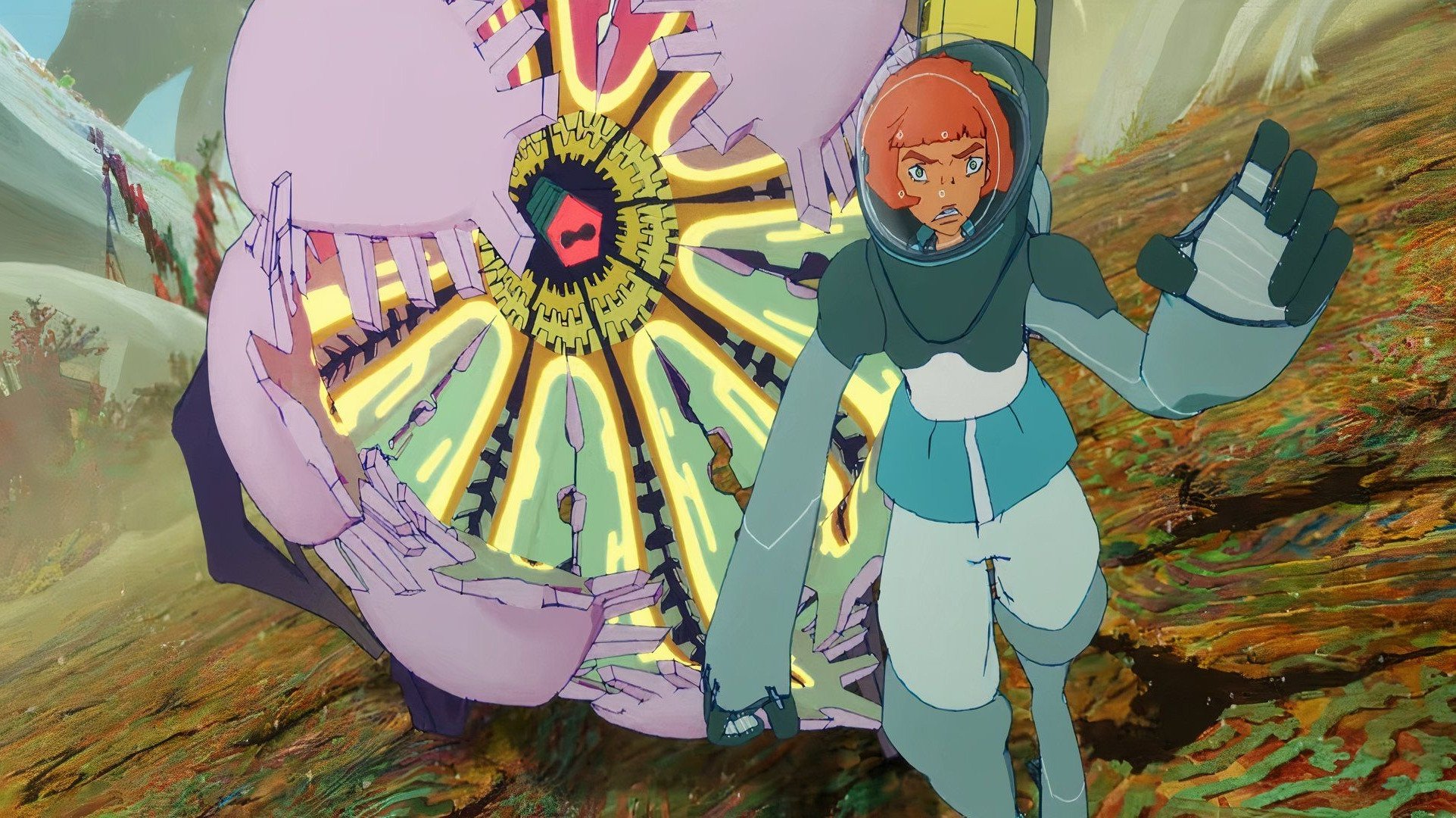
All You Need Is Kill is an animated science fiction action feature adapted from the novel by Hiroshi Sakurazaka, with animation by Studio 4°C. According to Anime News Network's encyclopedia entry, Kenichiro Akimoto directed the film, Yuichiro Kido wrote the screenplay, Izumi Murakami handled character design and Yasuhiro Maeda composed the score. Ai Mikami voices Rita and Natsuki Hanae voices Keiji, with Kana Hanazawa credited as Shasta.
The premise, as our catalog summarizes it, turns on a massive alien flower called Darol that erupts without warning and unleashes creatures that devastate the population of Japan. Rita is caught in that destruction and killed, then wakes up again. And again. Trapped in a loop she cannot break alone, she has to work through the repetition and the trauma that comes with it until she crosses paths with Keiji, a quiet young man caught in the same cycle.
It is a premise that rewards a rewatch, which makes a television airing a reasonable second look for anyone who caught it in theaters and a low-friction entry point for anyone who did not.
How it reached television
Related on Anime.com
More in Industry
Loading comments...